
Moving is stressful and can be very disorganized if you have too many things going on at one time (packing boxes, booking services, managing timelines). This moving guide will provide a day-by-day outline of the steps to take for 30 days leading up to your move. The guide will help organize your moving process, prevent you from making common mistakes and help you make your transition from point A to point B as smooth as possible.
Why the 30-Day Mark Matters
The last month before your move is where everything starts to take shape. What you do during this time can either make your move easier or much more stressful.
Planning early gives you more control over your schedule, budget, and overall experience.
Steps for a Smooth Move
A smooth move doesn’t happen by chance; it comes from planning and staying organized. Breaking the process into simple steps helps you stay on track and avoid last-minute stress. When you know what to do next, everything feels more manageable.
Create a Clear Moving Plan
Before you start packing, you need a simple plan in place. Without one, it’s easy to feel overwhelmed or forget important steps along the way. A clear plan helps you stay organized and keeps everything moving in the right direction.
Think of it as your guide for the next 30 days. It helps you manage your time, track your progress, and avoid last-minute stress. When you know what needs to be done and when to do it, the entire process feels much more manageable.
Start with a checklist
Using a moving checklist Edmonton residents rely on can keep everything organized. Break your tasks into weekly steps so nothing gets missed.
- List everything you need to do before moving day
- Set deadlines for each task
- Track bookings, payments, and important contacts
Set your moving timeline
A clear timeline helps you stay on track and avoid rushing at the last minute. Instead of doing everything at once, you can break tasks into smaller, manageable steps. This makes the entire moving process feel more organized and less stressful.
Don’t leave everything for the final week.
- Week 4: Book movers and gather supplies
- Week 3: Start packing non-essential items
- Week 2: Confirm logistics and continue packing
- Week 1: Final prep and essentials
A clear timeline helps you stay ahead instead of catching up.
Book Movers and Lock in Your Date
This is one of the most important steps to handle early in your move. Once your date is set, everything else becomes easier to plan around from packing to utility transfers. Waiting too long can limit your options and make the process more stressful.
Finding reliable Alberta movers Edmonton residents trust can take time, especially during busy seasons. Booking early gives you better availability and more flexible pricing.
What to look for when booking
Not all moving companies offer the same level of service, so it’s important to choose carefully. Looking at a few key details can help you avoid problems and feel more confident in your decision.
- Transparent pricing with no hidden fees
- Clear communication and confirmed schedule
- Proper equipment and trained crew
It also helps to understand how professional movers protect floors, walls, and elevators so you know your home is handled with care.
Why early booking matters
Booking early gives you more control over your move. Instead of rushing to find availability, you can choose a date and time that fits your schedule.
- More date options available
- Lower risk of last-minute price increases
- Less stress as your moving day gets closer
Last-Minute Moving Options Available
Sometimes plans change, and you may need to move on short notice. While this can feel stressful, there are still options available if you act quickly. Knowing what to expect helps you stay flexible and avoid higher costs or limited availability.
Declutter Before You Pack
Start small and go room by room so it doesn’t feel overwhelming. Focus on items you actually use and let go of things that no longer serve a purpose. This step not only makes your move easier, but it also helps you start fresh in your new space with less clutter.
Go room by room
Trying to declutter everything at once can feel overwhelming. Breaking it down by room makes the process easier and more manageable. It helps you stay focused and make better decisions without feeling rushed.
- Keep items you actually use
- Donate or sell things you don’t need
- Dispose of anything broken or unusable
Why this step matters
Decluttering before you pack isn’t just about getting rid of things it directly affects how smooth and affordable your move will be. The fewer items you have, the less time it takes to pack, load, and unload everything.
- Fewer items = lower moving costs
- Less packing and unpacking time
- A cleaner, more organized new home
Gather Packing Supplies Early
Waiting until the last minute to get packing supplies can slow everything down and add unnecessary stress. When you don’t have the right materials on hand, even simple tasks like packing a few boxes can take longer than expected.
What you’ll need
Having the right supplies makes packing faster and much easier. Without them, you may end up redoing boxes or risking damage to your items.
- Boxes in different sizes
- Packing tape and markers
- Bubble wrap or packing paper
- Labels for organization
Smart packing tip
Packing isn’t just about putting things into boxes, it’s about staying organized for when you arrive at your new place. Taking a few extra seconds to label each box clearly can save you a lot of time and frustration later.
Label each box clearly with its room and contents. This saves hours when you start unpacking.
Start Packing Non-Essentials
Packing doesn’t have to happen all at once, and it shouldn’t. Starting early with items you don’t use every day helps you stay ahead and avoid last-minute pressure.
This approach lets you pack at a steady pace instead of rushing through everything in the final days. It also gives you time to stay organized and make better decisions about what to bring, donate, or leave behind.
What to pack first
Starting with the right items makes packing much easier. If you begin with things you don’t use every day, you can make steady progress without disrupting your routine.
- Seasonal items
- Decorations
- Books and storage items
Keep essentials separate
Not everything should go into boxes right away. There are a few items you’ll need access to before, during, and right after your move. Keeping these separate helps you avoid digging through boxes when you’re already tired.
Create a “first-day” box with things you’ll need right away:
- Toiletries
- Chargers
- Basic kitchen items
- Important documents
Packing and Unpacking Assistance
Packing can take more time than most people expect, especially when you’re trying to stay organized. Getting help with packing and unpacking can make the process faster and reduce the risk of damage. It also lets you focus on other important parts of your move.
Plan for Utilities and Address Changes
It’s easy to overlook these details when you’re focused on packing, but they play a big role in how smooth your move will be. Forgetting to set up utilities or update your address can lead to delays, missed bills, or arriving at a new home without basic services.
Set up or transfer services
Before moving day, make sure your essential services are ready at your new home. This includes things like electricity, water, internet, and any other utilities you rely on daily.
- Electricity, water, and internet
- Garbage collection if needed
- Mail forwarding
Update your address
Updating your address might seem like a small task, but it’s easy to forget and can cause problems later on. Important mail, bills, or deliveries could end up going to your old address if this isn’t done early.
- Bank and credit cards
- Driver’s license
- Subscriptions and deliveries
You can set up mail forwarding directly through Canada Post to avoid missed deliveries.
Understand Your Moving Costs
Before moving day gets closer, it’s important to have a clear idea of what you’ll actually be paying for. Costs can vary depending on your home size, distance, and the level of service you need. Without a proper understanding, it’s easy to go over budget or get caught off guard by extra charges.
Working with experienced Alberta movers Edmonton residents rely on can help you get a more accurate estimate upfront. When pricing is explained clearly, you can plan your budget with confidence, avoid hidden fees, and make better decisions for your move.
What affects your total cost
Your final moving cost isn’t based on just one thing. It’s usually a combination of several factors that can either increase or lower your total. Understanding these early helps you plan better and avoid unexpected charges.
- Size of your home
- Distance between locations
- Number of movers and hours needed
- Additional services like packing or storage
How to stay within budget
Staying within budget starts with planning ahead and knowing where your money is going. Small decisions can make a big difference in your total cost if you’re not careful.
- Get detailed estimates upfront
- Avoid peak moving dates if possible
- Stay organized to reduce delays
Being prepared helps you stay in control of your expenses.
Furniture Assembly and Disassembly
Some furniture isn’t designed to be moved as-is. Beds, desks, and large pieces often need to be taken apart before moving day. Planning for this early helps you avoid delays, extra time, and unexpected costs.
Storage Solutions for Your Move
Sometimes your move-out and move-in dates don’t line up perfectly. Having a storage plan gives you flexibility and keeps your belongings safe during the transition. It also helps you stay organized if your move happens in stages.
Pros and Cons of Preparing Early
Planning ahead can make your move feel much more manageable, especially when you’re dealing with multiple tasks at once. It gives you time to think things through, stay organized, and avoid the pressure of last-minute decisions.
Pros
- Less stress as moving day approaches
- Better pricing and availability
- More time to make informed decisions
Cons
- Requires time and effort upfront
- Can feel overwhelming without a clear plan
Overall, early preparation almost always leads to a smoother move.
Who This Approach Works Best For
Planning 30 days ahead isn’t just helpful, it can completely change how your move feels. Instead of rushing through everything at the last minute, you have time to stay organized, make better decisions, and handle issues before they become problems.
This approach is best if you:
- Have a busy schedule
- Are moving with family or kids
- Own large or fragile furniture
- Want to avoid last-minute stress
If you prefer a smoother and more predictable move, this approach works well.
Common Mistakes to Avoid
Even when you have a plan, small mistakes can still throw things off. A missed step, a late booking, or poor packing choices can create more stress and add extra costs than you expected.
Watch out for these
Even small mistakes can quickly turn into bigger problems during a move. Some issues may seem minor at first, but they can lead to delays, extra costs, or added stress on moving day.
- Waiting too long to book movers
- Underestimating how long packing takes
- Forgetting to label boxes
- Not confirming details before moving day
Avoiding these keeps your move on track.
Practical Moving Preparation Tips
Small actions can have a big impact on how smooth your move feels. You don’t need complicated strategies, just a few simple habits can help you stay organized and avoid unnecessary stress.
Simple tips that help
- Pack one room at a time
- Keep important documents in one place
- Take photos of electronics before unplugging
- Double-check bookings a few days before the move
Following these moving preparation tips Edmonton residents use can help everything run smoothly.
Frequently Asked Questions
It’s normal to still have a few questions as your moving day gets closer. There are always small details that aren’t clear until you start planning everything out.
This section answers the most common questions people have, so you can feel more prepared, avoid confusion, and move forward with confidence.
When should I start packing before moving day?
Start packing non-essential items about 3–4 weeks before your move.
How far in advance should I book movers?
Ideally at least 2–4 weeks ahead, especially during busy seasons.
What should I pack last?
Daily essentials like toiletries, clothes, and kitchen basics.
How do I stay organized during a move?
Use a checklist, label boxes clearly, and follow a timeline.
Can I reduce moving costs by packing myself?
Yes, packing on your own can help lower overall costs.
Make Your Move Easier Before It Even Starts
Moving doesn’t have to feel rushed or stressful. When you start early and follow a clear plan, everything becomes more manageable and you stay in control the whole way through.
If you want a smoother experience, having the right support can make a big difference.
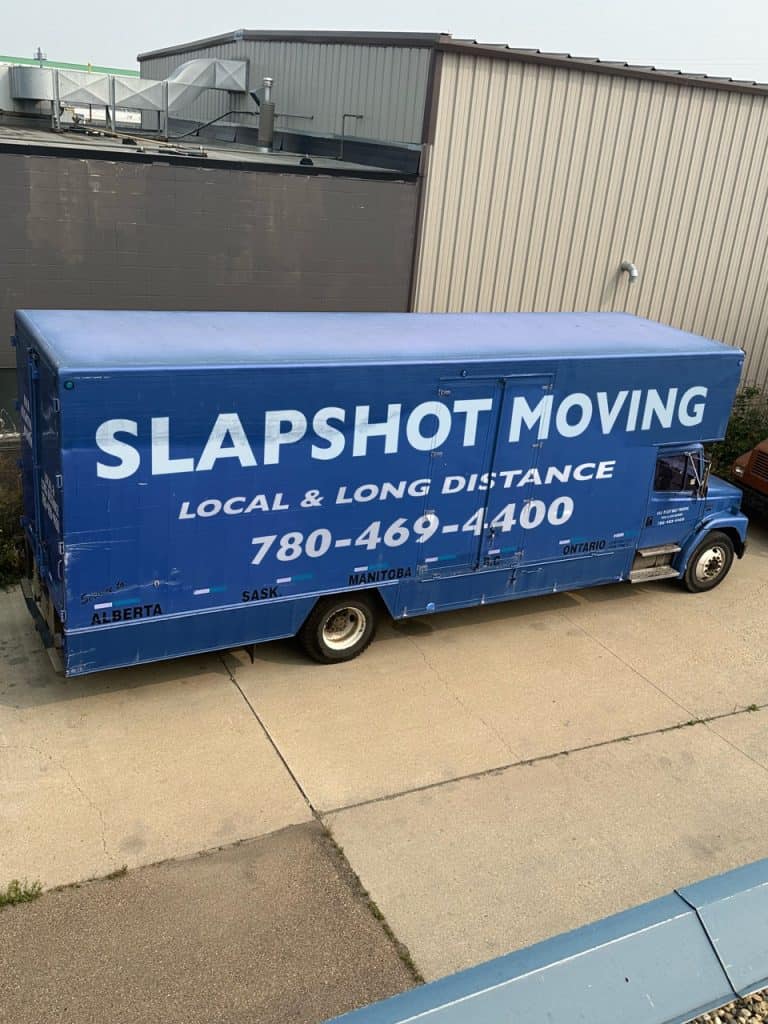
At Slapshot Moving, we focus on making your move simple, organized, and stress-free from beginning to end.
What we offer:
- Residential moving
- Local and long-distance moving
- Packing and unpacking services
- Storage solutions
- Furniture handling and protection
Areas we serve:
Edmonton and surrounding areas
If you’re planning your move, now is the best time to get started. Call us at +1 (780) 469-4400 and get your FREE quote no pressure, just clear answers to help you move forward with confidence.